The first 24 hours after water damage are critical in minimizing long-term damage, infection control risks, and mold growth. Follow this hour-by-hour guide to take quick action and protect your property.
The first step is to find and stop the influx of water. This can be done with the building’s shut-off valve for leaking pipes or sprinkler systems, and it’s important to know where these are located. Contact All Pro Services to learn more.
1. Turn Off the Water
With safety confirmed and the source of water stopped, it’s time to start tackling emergency water damage cleanup. This is hands-on work that can be performed by any home or business owner. It is important to keep in mind that professional assessment and restoration are almost always needed for long-term water damage prevention and optimum results.
The first step is to shut off the water at your property’s main valve. This is typically found in the basement, garage, crawl space, or under your home. If you don’t have a valve, contact your local water utility company to turn off the main line to your home or business.
It’s also a good idea to turn off the power at the breaker box to affected areas. This helps prevent electrical shock and potential fire hazards.
Next, assess the amount of water damage and take pictures of the entire area with your phone or camera. This will help to document the problem and streamline the insurance claim process.
This will allow you to make an informed decision about whether it is safe to enter the affected area or if you need to evacuate and call for professional help. If you decide to enter, wear rubber boots, waterproof gloves, and a face mask if necessary.
After assessing the damage, begin removing any items that are salvageable from the water-logged area. If the water damage is severe, you may need to remove furniture, walls, or carpets.
Water damage can wreak havoc on your home’s structure and create conditions for mold growth, which are both expensive to repair. This is why it’s essential to respond as quickly as possible. The sooner professionals can begin the extraction and drying process, the less damage your home will sustain.
Every hour that passes after water damages your home can significantly increase the cost of the restoration project. Tony’s story illustrates this point. His washing machine hose burst while he was at work, and by the time he called for assistance, eight hours had passed and the puddle had wicked up his drywall and soaked his subfloor, creating conditions for an expensive mold cleanup project.
2. Turn Off the Power
Water damage restoration is a time-sensitive process. Every hour that passes increases the cost and severity of the situation. That’s why it’s so important to follow the right steps immediately after a flood or water emergency. The right actions will save you from costly repairs and help you get back to Netflix marathons sooner.
Ensure Safety First
In most cases, you can safely stay in your home if the water damage is isolated to one room or the water is clean and uncontaminated. However, if the water is contaminated or you suspect structural concerns, it’s best to evacuate until professionals can confirm it’s safe to return.
If you can’t evacuate, make sure you shut off electricity at the breaker box in the affected area to prevent electrocution. You should also turn off any appliances or outlets in the wet areas. Then, make a visual assessment of the scene and check for any hazards such as slippery surfaces or unstable structures. If you notice sagging ceilings or other signs of a structural issue, call an emergency service like Upper Restoration to come assess the situation.
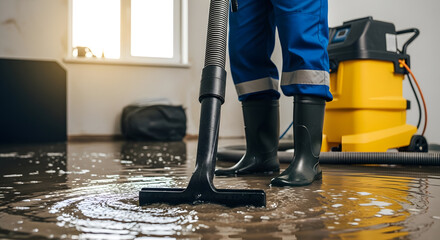
Once you’ve turned off the power, you can start drying your home. You can use fans, heat, open windows, and dehumidifiers if the area is safe to enter. However, it’s important to remember that regular household fans are not powerful enough to dry porous materials in wet conditions. Professional air movers are far more effective for serious situations.
The next step is to determine how much the water damaged your belongings and how bad the damage is. You can usually do this by taking a look at the materials involved, comparing them to the moisture level in the surrounding areas, and looking for any signs of rot or mold.
While the Anderson family thought their basement was covered by their insurance policy when a sump pump burst, they were surprised to learn that the insurance company didn’t cover flood damage. It was a costly lesson learned from their own mistake, but it could have been avoided with an immediate and accurate assessment of the damage.
3. Check for Structural Hazards
When a building suffers water damage, time is of the essence. Moisture left untreated leads to structural problems, mold growth, and higher repair costs. It also affects living conditions and health, exposing residents to potential contaminants like lead residues and swollen wood.
What begins as a minor leak can cause serious problems within 24 to 48 hours. Water seeps into walls and wood beams, soaking flooring and causing cracking, and can weaken foundations. It can also erode concrete and brick.
Water damage can be hard to detect because it often comes from hidden sources and is concealed behind walls. It’s important to have professionals conduct a complete inspection after a water damage emergency. They’ll use high-tech tools to identify the extent of moisture damage and determine the best plan for restoration.
Professionals will start by removing standing water and drying affected areas with commercial fans and dehumidifiers. They’ll also check for structural damage and perform a thorough clean up. They’ll also address any hazardous materials and follow established lead abatement protocols when necessary.
In addition to identifying safety hazards, the team will document the extent of water damage using photos and notes. This supports insurance claims and guides the restoration process.
Before beginning cleanup, it’s important to take safety precautions by turning off power sources and staying away from sagging ceilings or warped floors. It’s also a good idea to wear protective gear such as rubber gloves, goggles, and a dust mask.
Once the cleanup is completed, air clearances will be conducted to certify that the space is safe for re-occupancy. This includes a final inspection by the project manager to ensure that all documentation is accurate. The report will then be filed with the insurance company and used to create a detailed restoration timeline. The process may include repairing damage and replacing furniture, flooring, and other contents.
4. Call a Professional
Whether your water damage is from a flood, burst pipe, or sewer backup, there are many reasons to call a professional right away. The longer water sits, the more damage it causes to walls, floors, furniture, and personal belongings. It also creates a perfect habitat for germs and mold to grow, which can lead to health issues for you and your family or employees.
Water damage restoration experts have the equipment, tools, and training to assess the water damage and thoroughly dry the space. They can also detect hidden moisture and prevent further damage by setting up dehumidifiers and other drying systems. They can even identify and eliminate sources of water leaks to prevent future problems.
In addition, they can help you file an insurance claim if you choose to do so. They can give you an estimate of what will be covered, so you can know in advance what your costs will be.
Once the professionals arrive, they will start by assessing the water damage and drying the space. They can use high-powered drying equipment and dehumidifiers to get rid of water in walls, floors, and ceilings. They will also inspect for any potential structural hazards. If it is safe to do so, they will ask you to remove any valuables from the affected area to protect them from further damage.
Once the space is dry, they will sanitize it and disinfect the items that can be saved. They will use cleaning products that kill bacteria, and they may also apply antimicrobial treatments to prevent the spread of mold spores. They will also deodorize the space to get rid of any lingering smells. If necessary, they will replace any damaged drywall, flooring, or other building materials. They will then restore the area to its original condition, ensuring that your home or business is clean, dry, and healthy for everyone who uses it. If you are facing water damage, do not hesitate to contact CMS Restoration for a fast response and trusted service. We are available around the clock to help with emergency water damage remediation throughout Colorado.
Visit our Professional Services Blogs
Portland Metro Plumbers, Provantage Handyman, Santa Ana Flooring, Plumbing Heating Cooling New Jersey, Riverside Stump Grinding, Painter In Hanover, My Restoration Directory, Miami Dade Restoration Services, Update Construction, Campanelli Construction, Cruz Construction And Restoration , Airconditioning Round Rock, Air Dynamics Airconditioning And Heating, Gands Airconditioning And Heating, Windward Building Company LLC, Airconditioning Repairs Bocaraton, Laguna Airconditioning, Roofing 719, 3 Phase Construction NJ, Broadway Building Contractors, UIS Concrete And Demo, Austin Plumbers Near Me, Richmond Gutter Cleaning Company, Weather Defense Roofing Weather Proof Roofing, Ray Allen Plumbing, Raleigh Pressure Washing Painting , Fairfield County Septic, Carlson Craft Cabinets, Helping Hand Home Improvement, Delco Home Inspector, Window Cleaning Stafford