Replacing your home’s windows is a big investment, but one that can improve energy efficiency and boost curb appeal. In addition, upgrading to triple pane windows can save homeowners up to 13% in annual energy costs.
Replacement Windows Lexington KY pros work hard to provide a high-quality service. While they’re often not tipped, many appreciate receiving an occasional tip for a job well done.
General Contractor
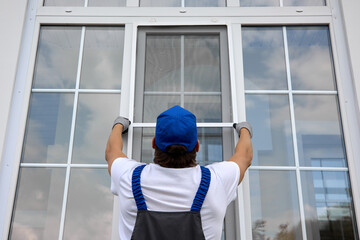
Reputable window installation services provide clear information on the scope of the project and provide an upfront estimate and timeline. This transparency enables homeowners to make informed decisions and reduce the risk of surprises or disappointments during the process. Additionally, reputable contractors will work with homeowners to ensure that the windows are installed properly. This helps homeowners avoid costly repairs, save energy costs, and maximize their home’s value at resale.
Window replacement is a common project for both homes and commercial buildings. These renovations can improve energy efficiency, enhance aesthetics, and address security concerns. For example, upgrading single-pane glass to double- or triple-pane glass can significantly reduce heating and cooling bills. This is especially beneficial in Northern California’s chilly winters and hot summers.
In addition, upgrading to low-E glass can reduce glare and UV rays, making your home more comfortable. Additionally, new windows can increase the home’s resale value and boost its curb appeal.
Moreover, replacing old windows can help prevent structural damage and lead to mold growth. During the replacement process, contractors may discover other issues that need to be addressed. For instance, if an existing window shows signs of wood rot, it will need to be repaired. These issues can affect the structure of the building and cause leaks.
Window replacements are labor-intensive, and prices can vary depending on the type of window selected and the level of customization required. For instance, vinyl windows are less expensive than custom-sized wood windows. Additionally, if the replacements are for windows in a historic building, the Landmark Preservation Commission (LPC) may require approval. In addition, the cost of removing and installing the new windows can also increase overall pricing.
Labor
Installing new windows is an investment in your home’s value and energy efficiency. While it may seem like a do-it-yourself project, hiring a professional ensures that the job is completed correctly without leaks or structural damage. Plus, experts can offer recommendations on the best products for your home’s needs and style, as well as the right installation method to maximize long-term savings.
Window replacement costs vary by frame material, size, brand, glass options (like triple pane), and extra features like security locks or energy efficiency. Energy efficient windows can reduce heating and cooling expenses by up to 13 percent, which is a big savings in Northern California’s warm summers and chilly winters.
You can choose between a full-frame or retrofit window replacement. A retrofit install requires removing the existing window unit and trim, which typically results in less labor and cost than a full-frame installation. But full-frame windows are also load-bearing and can require structural support, making them the better choice for remodels or new construction.
Other additional features to consider include window hardware and ventilation. Double-hung windows are popular for their classic look and ease of operation, while sliding windows open horizontally on a track and are ideal for spaces that don’t need a lot of ventilation. Bay and bow windows are larger, architecturally shaped windows that combine several windows and extend outward from a room.
You can save money on the installation costs by choosing a window company that offers bulk pricing or discounts for installing multiple windows at once. Also, many companies offer rebates on energy-efficient windows that help offset the cost. In addition, you can save on materials by buying your windows from a distributor that offers wholesale prices.
Glass
The type of glass used in windows plays a significant role in energy savings, home comfort, and visual appeal. Window glass can be insulated, Low-E, laminated, or tempered. Each option offers different benefits, so homeowners should understand each before committing to a project.
When homeowners upgrade their existing annealed glass to tempered glass, they save on upfront costs. However, replacing the entire window frame is often a better investment to achieve long-term energy savings and enhanced home safety. It is also the best way to address problems like condensation, difficult opening and closing, or rotting frames.
Depending on the window style and location, some replacement options are more complex than others. For instance, installing a bay window, which combines multiple panes and extends outward from the room, requires more support and can increase installation costs. Similarly, an awning window is hinged on one side and opens outward to let in fresh air, which adds to the overall cost of the installation.
The choice of window glass is just as important as the type of frame used. Upgrading to double-pane or triple-pane windows with Low-E coatings and argon gas can significantly reduce heating and cooling bills. This is especially helpful in Pittsburgh’s four-season climate.
Many homeowners have questions about whether they should replace just the broken window pane or invest in a full replacement. Window pros can help homeowners determine which option is best for them by assessing the condition of the frame and checking if the old seals are intact. They can also recommend energy-efficient glass options that may help homeowners qualify for tax credits. They can even work with customers to finance their replacement projects so they can keep project costs within their budget.
Frame Material
The frame material that you choose is another important factor in the overall cost of your Replacement Windows. There are a variety of choices, including vinyl, fiberglass, wood-clad, aluminum and composite. Each has its own unique properties. For example, wood frames offer a classic look and superior insulation that reduces energy bills. However, they require more maintenance than other materials.
Vinyl is one of the most popular choices today. It is easy to manufacture and offers good energy efficiency. It is also affordable and durable. However, it does not fare well in extreme weather conditions, and may be susceptible to warping and fading over time.
Aluminum is a strong, lightweight option, but it does not insulate as well as other materials. It is also not as flexible, making it less suitable for wide expanses of glass.
Steel is an economical choice, but it is not as flexible or resistant to wear and tear as other options. It conducts heat very quickly, so it is not a good choice for hot climates. For optimum performance, metal frames should include a thermal break to minimize the flow of heat into and out of the home.
Fiberglass offers an excellent balance between durability, strength and energy efficiency. It is resistant to expansion and contraction caused by large temperature fluctuations, and it is not prone to rotting or corrosion. However, it is more expensive than vinyl and most wood frames.
Wood-clad frames are made of a wooden interior and a weather-resistant material such as aluminum or vinyl on the exterior. This allows homeowners to enjoy the beauty of wood and the durability of metal in harsh climates. It is also an ideal choice for historic homes that require special window replacements.
Warranty
When researching window replacement professionals, you should always find out what kind of warranty will be offered. This is a huge indicator of how confident the company feels about their products and their ability to stand behind them.
While most window companies offer some kind of warranty, the terms and duration of each can vary significantly from one company to another. Here are some of the common warranties that you should expect to see:
Window material warranties typically cover the lifespan of the product, including any deterioration or damage that occurs within a certain time frame. This type of warranty is usually a good way to protect your investment, and it’s something that should be included in your quote from the start.
Energy efficiency warranties typically guarantee that the windows will reduce your energy bills by a certain percentage or provide a certain level of insulation. This is a great option to have included in your quote, as it can help you make the most informed decision when choosing your new windows.
Installation warranties are a bit more tricky, as they can differ between manufacturers and even from contractor to contractor. This can be confusing for homeowners, as it is often unclear what is and isn’t covered by the warranty.
Workmanship defects can be a big problem for window owners, as they are often excluded from warranties. These can include things like a sash that doesn’t close properly or a factory-applied coating that peels prematurely. This is an important area to ask about in your quote, and you should also be aware of any fine print exclusions that could end up voiding your warranty.