Tag: home renovation

How Paint Type Affects Cabinet Painting Cost

Cabinet Painting Sacramento

Cabinet Painting Sacramento is a cost-effective way to refresh cabinets and improve the look of your kitchen or bathroom. However, there are many factors that impact the final cost of the project.

Choosing the right paint is crucial for long-lasting, durable results. The style and condition of the cabinets also play a role in the final cost.

High-Quality Paints

High-quality paints typically cost more, but they deliver superior results and durability. Premium brands like Benjamin Moore and Sherwin-Williams offer exceptional coverage, gorgeous color selections, and stunning finishes. In comparison, Valspar and Behr are budget-friendly options that provide dependable performance. While it’s possible to color match these paints at home improvement stores, the resulting colors can vary slightly since the base paints are different.

The type of finish you choose will also affect cabinet painting costs. High-gloss and semi-gloss paints withstand moisture better, are easier to clean, and resist chipping, flaking, and peeling. However, they require a smooth and well-prepared surface and may highlight imperfections. If you’re pursuing a specific look, opt for a satin or eggshell finish instead, which is less glossy and more likely to hide dings and scratches.

Other material and supply costs can add up as well. In addition to the actual paint, you’ll need primer and sandpaper, masking tape, drop cloths, brushes, rollers, and wood filler or putty for preparation. You can often find these materials at home improvement stores but paying a premium for a professional brand can help ensure the best results.

Another factor that influences the total cost of a project is the existing condition of your cabinets. If the cabinets are in good shape and only need a fresh coat of paint, the process will be quicker and cheaper than replacing or repainting damaged or worn surfaces. If the cabinets are damaged or need repairs, this will add to the project’s timeline and expense.

It’s also important to consider any extra labor costs associated with the job, such as relocating or removing hardware, cleaning and repairing cabinets, and preparing the surfaces for painting. These tasks can increase the overall project cost and may require specialized skills that aren’t readily available to DIY homeowners.

One of the best ways to save on the overall cost of a project is to handle the cabinet prep work yourself, including cleaning, sanding, and priming. This can help reduce labor costs and ensure that the work is done correctly, which will lead to a beautiful and lasting result.

Intricate Finishes

Painting cabinets in a special finish, such as glazed, distressed, or two-tone, increases the overall cost because these techniques require more work. However, the resulting durability and beauty make them worth the investment. Cabinets painted with a high-gloss or semi-gloss paint also have a longer lifespan and resist dirt and scrubbing better than matte finishes.

The material of your cabinet doors and drawers also affects the price of the project. Solid wood is more expensive to paint than MDF or laminate, as it needs extensive sanding to prepare it for a smooth and even surface. In addition, natural wood has a tendency to show imperfections more prominently than other materials, which may result in a need for additional touch-ups and repainting down the line.

Additionally, if you’re switching to a lighter color, expect to pay more for the paint itself. Lighter colors require more coats than darker shades, which means more time and paint to achieve full coverage. You may also need to replace hardware, which can add to the overall cost.

While it is possible to save money by handling the cabinet painting process yourself, it’s best to leave this work to professional painters. They use industry-grade tools and paints that are often inaccessible or costly to DIYers, which ensure a beautiful and durable finish. Professional painters also offer warranties that cover any damages that occur during or after the project.

Finally, if you want to minimize the environmental impact of your cabinet painting project, consider using low-VOC or zero-VOC paints. These types of paints emit fewer harmful chemicals during and after the painting process, which helps protect the environment and your health.

Painting your cabinets is an eco-friendly alternative to replacement, which generates substantial waste. However, the new paint will highlight any existing flaws or scratches on your cabinets, so regular cleaning and maintenance are essential to keep them looking their best. Additionally, if you’re planning to sell your home soon, keeping your cabinets in good condition will help increase the value. If you’re not ready to commit to a full kitchen remodel, painting your cabinets is an affordable way to refresh the space and improve your home’s curb appeal.

Materials

Cabinet painting is an affordable and effective way to revitalize a kitchen or bathroom without undergoing a full remodel. However, there are a few things that can impact how much the project will cost, including materials and labor. Understanding what goes into the price of cabinet painting can help you decide whether to DIY or hire a professional.

Paint is the largest expense in a cabinet painting project, and high-quality premium paints will often come with a higher price tag than budget options. However, these premium paints are designed for cabinets and offer improved adherence, durability, and moisture resistance that can save money in the long run by extending the life of your cabinetry.

The type of paint you choose will also affect the final cost. Flat paint has a chalky appearance and hides imperfections well, but it isn’t durable against scrubbing or water and can stain from spills. Satin paint has a soft sheen that highlights texture and is a good choice for bathrooms, while semi-gloss is durable enough for kitchens.

In addition to the type of paint, the finish you choose will also influence your cost. High-gloss paint has a mirror-like sheen that brightens dark rooms and is easy to clean, but it can be fragile and requires a high level of skill to apply properly. Matte paint has a dull finish that’s durable and inexpensive, but it can show fingerprints and scratches easily.

Other factors that can increase cabinet painting costs include the size of your kitchen and the complexity of the cabinets. Larger kitchens can require more time and effort to paint, while complex or detailed cabinetry may require extra prep work, such as sanding and priming, that can increase labor costs.

The final cost of your cabinet painting will depend on the type and quality of materials you use, the color of your cabinets, and any additional services or customizations you request. To ensure a beautiful and lasting result, it’s best to let a professional handle the task. They have access to industry-grade tools and paints that aren’t available to the average homeowner, and can provide a flawless finish that adds value to your home.

Labor

Cabinet painting is one of the most cost-effective ways to update your kitchen or bathroom, but the cost can vary depending on materials and labor. Understanding what goes into the final price can help you budget effectively and make smart choices that align with your goals and priorities.

Cabinets are made from different materials, and each type requires a specific prep process to ensure a flawless finish. The condition of your cabinets also plays a role in the price. For example, older or damaged cabinets may need repairs or sanding before being painted, which adds to the overall project cost. Additionally, any special finishes or designs may increase the price as they require additional time and expertise to accomplish properly.

The choice of paint is another factor that can significantly affect the price. High-quality paints that are designed specifically for cabinets typically provide better adhesion, durability, and moisture resistance than cheaper options. They also offer more even coverage and require less coats to achieve a smooth, professional-looking result.

Painting over dark colors, for example, requires more coats of paint than lighter shades, which increases material and labor costs. Additionally, specialized techniques like glazing, distressing, or two-tone designs often require more time and expertise to complete, which drives up the price.

Labor rates also differ by region, so it’s important to consider when planning your budget. Professional painters have years of experience and specialized training that help them achieve a smooth, professional finish in a short period of time. This results in a lower chance of mistakes that require costly corrections later on.

Hiring a pro is a great option for homeowners with limited time and resources who want to avoid the hassle of completing a DIY cabinet painting project. The cost of hiring a pro can be offset by spending some time researching professionals and comparing pricing. Look for a professional who offers upfront pricing and transparent communication to avoid surprises down the road. It’s also a good idea to save on labor costs by cleaning, sanding, and removing hardware before the painters arrive.
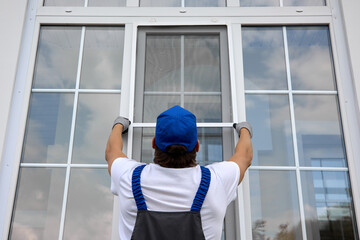
How Much Do Replacement Windows Cost?

Replacing your home’s windows is a big investment, but one that can improve energy efficiency and boost curb appeal. In addition, upgrading to triple pane windows can save homeowners up to 13% in annual energy costs.

Replacement Windows Lexington KY pros work hard to provide a high-quality service. While they’re often not tipped, many appreciate receiving an occasional tip for a job well done.

General Contractor

Replacement Windows

Reputable window installation services provide clear information on the scope of the project and provide an upfront estimate and timeline. This transparency enables homeowners to make informed decisions and reduce the risk of surprises or disappointments during the process. Additionally, reputable contractors will work with homeowners to ensure that the windows are installed properly. This helps homeowners avoid costly repairs, save energy costs, and maximize their home’s value at resale.

Window replacement is a common project for both homes and commercial buildings. These renovations can improve energy efficiency, enhance aesthetics, and address security concerns. For example, upgrading single-pane glass to double- or triple-pane glass can significantly reduce heating and cooling bills. This is especially beneficial in Northern California’s chilly winters and hot summers.

In addition, upgrading to low-E glass can reduce glare and UV rays, making your home more comfortable. Additionally, new windows can increase the home’s resale value and boost its curb appeal.

Moreover, replacing old windows can help prevent structural damage and lead to mold growth. During the replacement process, contractors may discover other issues that need to be addressed. For instance, if an existing window shows signs of wood rot, it will need to be repaired. These issues can affect the structure of the building and cause leaks.

Window replacements are labor-intensive, and prices can vary depending on the type of window selected and the level of customization required. For instance, vinyl windows are less expensive than custom-sized wood windows. Additionally, if the replacements are for windows in a historic building, the Landmark Preservation Commission (LPC) may require approval. In addition, the cost of removing and installing the new windows can also increase overall pricing.

Labor

Installing new windows is an investment in your home’s value and energy efficiency. While it may seem like a do-it-yourself project, hiring a professional ensures that the job is completed correctly without leaks or structural damage. Plus, experts can offer recommendations on the best products for your home’s needs and style, as well as the right installation method to maximize long-term savings.

Window replacement costs vary by frame material, size, brand, glass options (like triple pane), and extra features like security locks or energy efficiency. Energy efficient windows can reduce heating and cooling expenses by up to 13 percent, which is a big savings in Northern California’s warm summers and chilly winters.

You can choose between a full-frame or retrofit window replacement. A retrofit install requires removing the existing window unit and trim, which typically results in less labor and cost than a full-frame installation. But full-frame windows are also load-bearing and can require structural support, making them the better choice for remodels or new construction.

Other additional features to consider include window hardware and ventilation. Double-hung windows are popular for their classic look and ease of operation, while sliding windows open horizontally on a track and are ideal for spaces that don’t need a lot of ventilation. Bay and bow windows are larger, architecturally shaped windows that combine several windows and extend outward from a room.

You can save money on the installation costs by choosing a window company that offers bulk pricing or discounts for installing multiple windows at once. Also, many companies offer rebates on energy-efficient windows that help offset the cost. In addition, you can save on materials by buying your windows from a distributor that offers wholesale prices.

Glass

The type of glass used in windows plays a significant role in energy savings, home comfort, and visual appeal. Window glass can be insulated, Low-E, laminated, or tempered. Each option offers different benefits, so homeowners should understand each before committing to a project.

When homeowners upgrade their existing annealed glass to tempered glass, they save on upfront costs. However, replacing the entire window frame is often a better investment to achieve long-term energy savings and enhanced home safety. It is also the best way to address problems like condensation, difficult opening and closing, or rotting frames.

Depending on the window style and location, some replacement options are more complex than others. For instance, installing a bay window, which combines multiple panes and extends outward from the room, requires more support and can increase installation costs. Similarly, an awning window is hinged on one side and opens outward to let in fresh air, which adds to the overall cost of the installation.

The choice of window glass is just as important as the type of frame used. Upgrading to double-pane or triple-pane windows with Low-E coatings and argon gas can significantly reduce heating and cooling bills. This is especially helpful in Pittsburgh’s four-season climate.

Many homeowners have questions about whether they should replace just the broken window pane or invest in a full replacement. Window pros can help homeowners determine which option is best for them by assessing the condition of the frame and checking if the old seals are intact. They can also recommend energy-efficient glass options that may help homeowners qualify for tax credits. They can even work with customers to finance their replacement projects so they can keep project costs within their budget.

Frame Material

The frame material that you choose is another important factor in the overall cost of your Replacement Windows. There are a variety of choices, including vinyl, fiberglass, wood-clad, aluminum and composite. Each has its own unique properties. For example, wood frames offer a classic look and superior insulation that reduces energy bills. However, they require more maintenance than other materials.

Vinyl is one of the most popular choices today. It is easy to manufacture and offers good energy efficiency. It is also affordable and durable. However, it does not fare well in extreme weather conditions, and may be susceptible to warping and fading over time.

Aluminum is a strong, lightweight option, but it does not insulate as well as other materials. It is also not as flexible, making it less suitable for wide expanses of glass.

Steel is an economical choice, but it is not as flexible or resistant to wear and tear as other options. It conducts heat very quickly, so it is not a good choice for hot climates. For optimum performance, metal frames should include a thermal break to minimize the flow of heat into and out of the home.

Fiberglass offers an excellent balance between durability, strength and energy efficiency. It is resistant to expansion and contraction caused by large temperature fluctuations, and it is not prone to rotting or corrosion. However, it is more expensive than vinyl and most wood frames.

Wood-clad frames are made of a wooden interior and a weather-resistant material such as aluminum or vinyl on the exterior. This allows homeowners to enjoy the beauty of wood and the durability of metal in harsh climates. It is also an ideal choice for historic homes that require special window replacements.

Warranty

When researching window replacement professionals, you should always find out what kind of warranty will be offered. This is a huge indicator of how confident the company feels about their products and their ability to stand behind them.

While most window companies offer some kind of warranty, the terms and duration of each can vary significantly from one company to another. Here are some of the common warranties that you should expect to see:

Window material warranties typically cover the lifespan of the product, including any deterioration or damage that occurs within a certain time frame. This type of warranty is usually a good way to protect your investment, and it’s something that should be included in your quote from the start.

Energy efficiency warranties typically guarantee that the windows will reduce your energy bills by a certain percentage or provide a certain level of insulation. This is a great option to have included in your quote, as it can help you make the most informed decision when choosing your new windows.

Installation warranties are a bit more tricky, as they can differ between manufacturers and even from contractor to contractor. This can be confusing for homeowners, as it is often unclear what is and isn’t covered by the warranty.

Workmanship defects can be a big problem for window owners, as they are often excluded from warranties. These can include things like a sash that doesn’t close properly or a factory-applied coating that peels prematurely. This is an important area to ask about in your quote, and you should also be aware of any fine print exclusions that could end up voiding your warranty.

Navigation